Optimal Timing for Window Molding
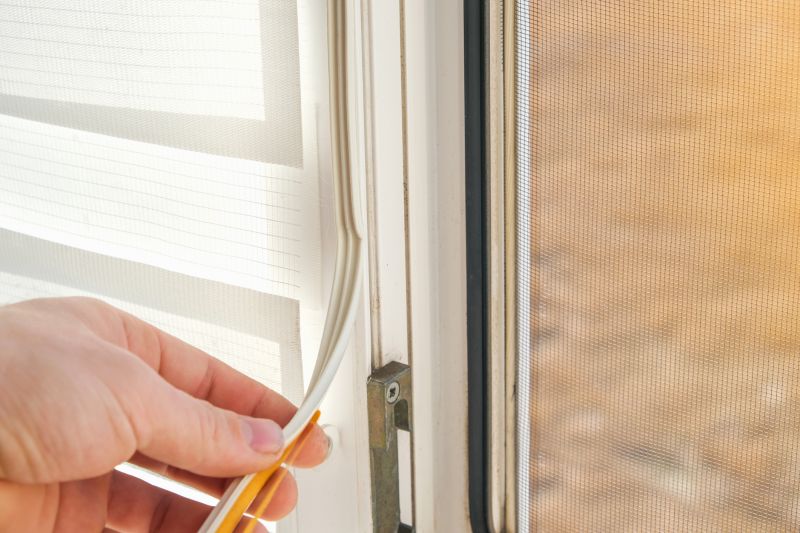
Spring offers mild weather ideal for window molding projects, reducing weather-related delays.
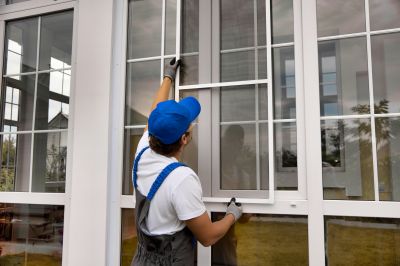
Warm temperatures and longer daylight hours facilitate efficient installation processes.
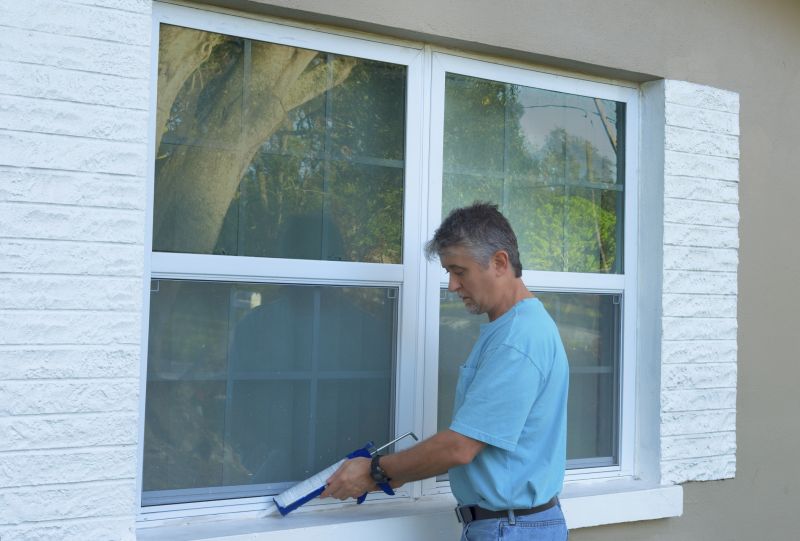
Cooler temperatures and stable weather conditions make fall suitable for precise window molding work.

Ways to make Window Molding Installations work in tight or awkward layouts.
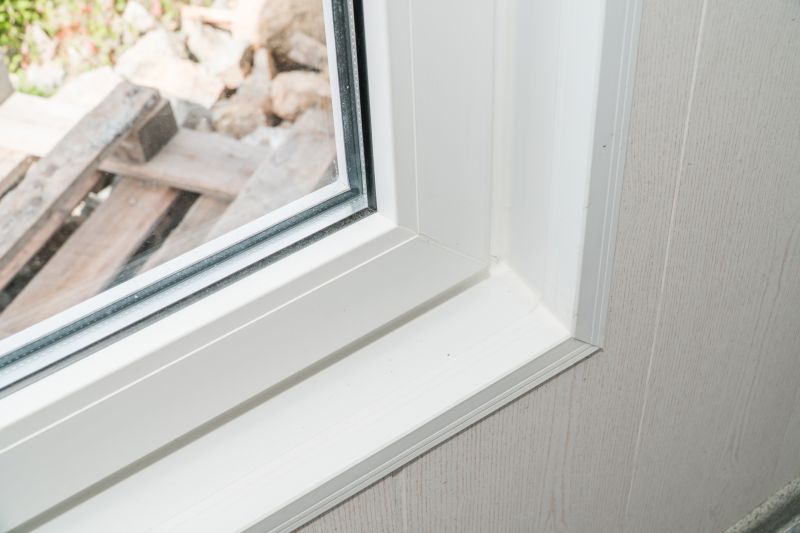
Popular materials for Window Molding Installations and why they hold up over time.
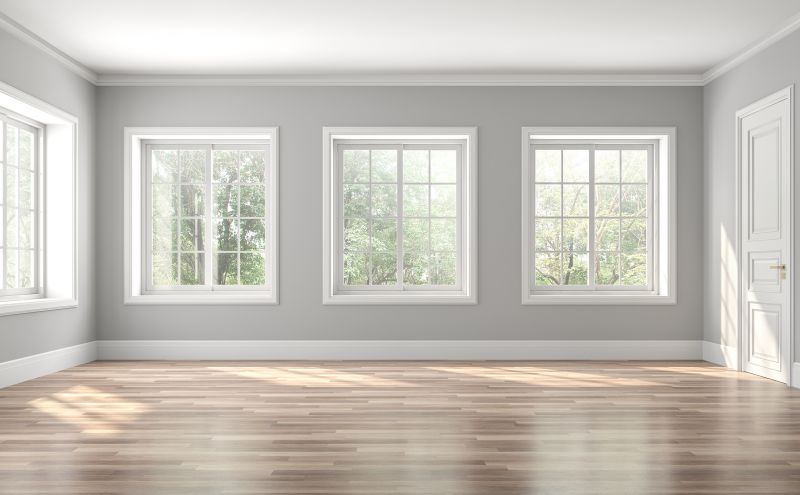
Simple add-ons that improve Window Molding Installations without blowing the budget.
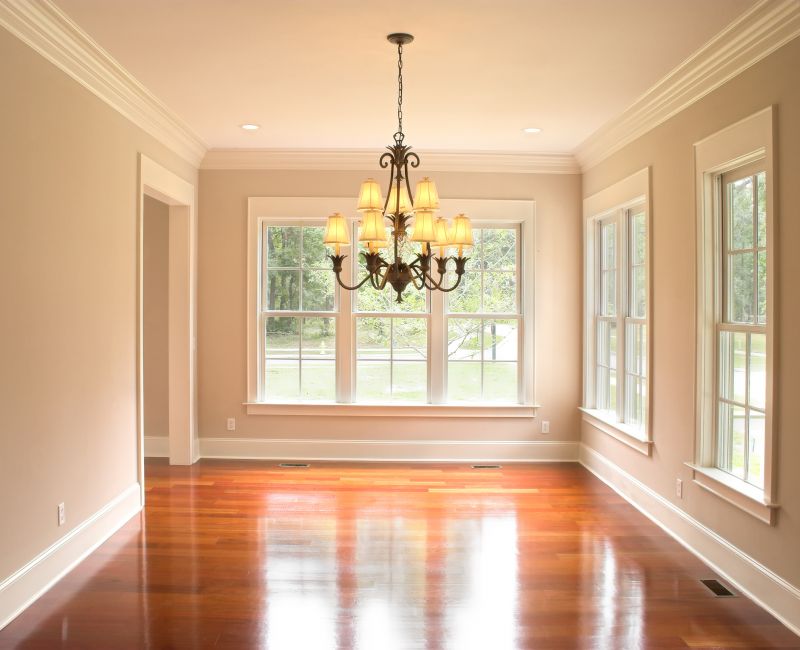
High-end options that actually feel worth it for Window Molding Installations.
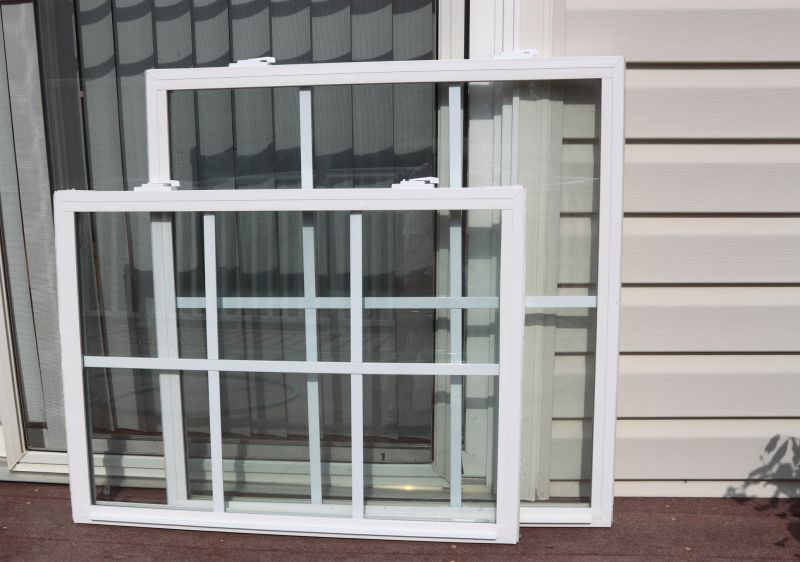
Finishes and colors that play nicely with Window Molding Installations.
Window molding installations are typically performed during periods of stable weather to ensure proper adhesion and finishing. The ideal timing can vary based on regional climate conditions, but generally, moderate temperatures and low humidity levels contribute to optimal results. Proper planning around seasonal weather patterns can minimize delays and ensure the longevity of the installation.
Avoid installation during extreme cold or heat, as these conditions can affect materials and adhesion.
Materials such as wood and composite moldings perform best within specific temperature ranges for durability.
Plan installations during seasons with predictable weather to reduce the risk of delays.
Local climate patterns influence the best timing for window molding projects.
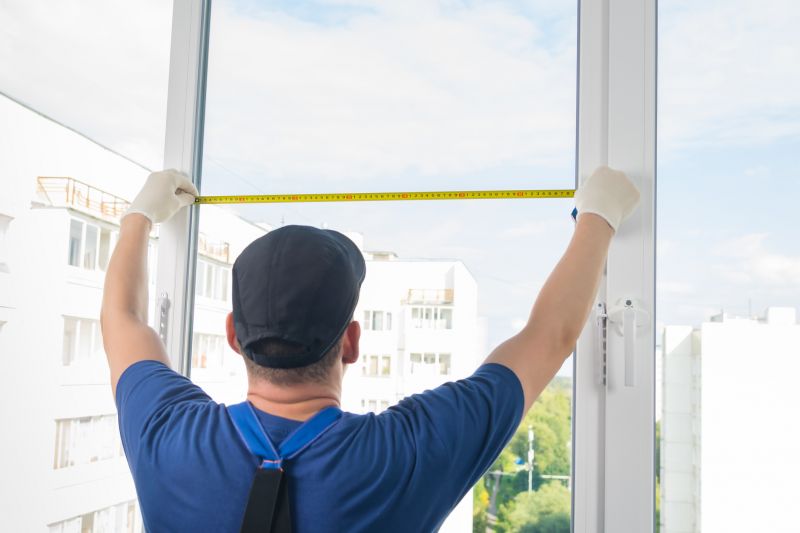
Ideal for moderate temperatures and low humidity.
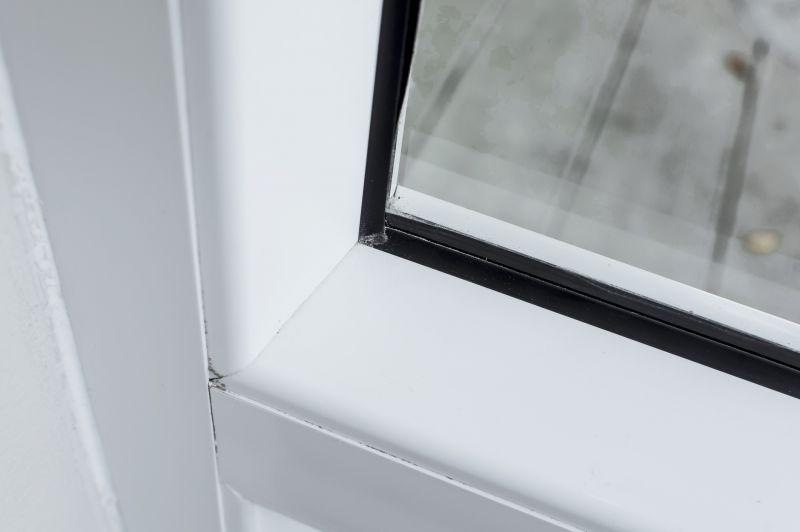
Suitable when temperatures are warm but not excessively hot.
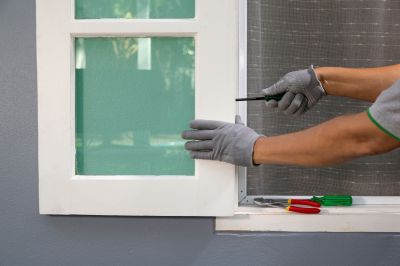
Best when temperatures are cooling but still stable.
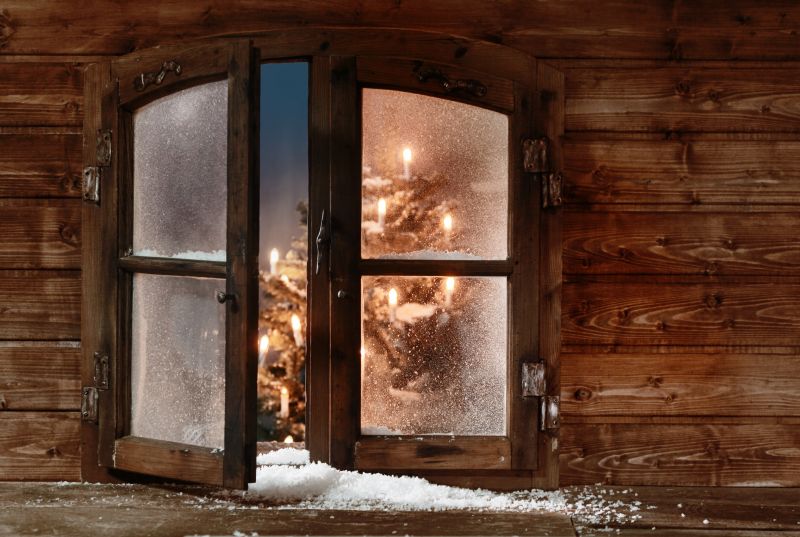
Generally less ideal due to cold and potential moisture issues.
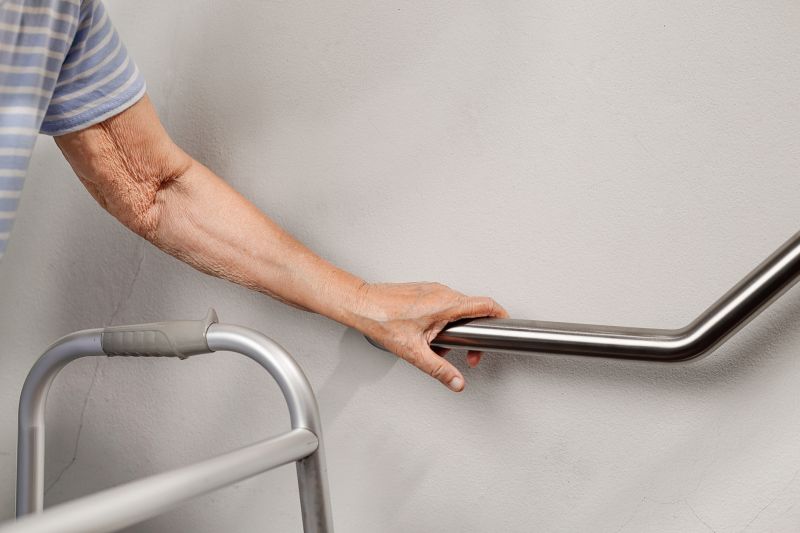
Small tweaks to make Window Molding Installations safer and easier to use.
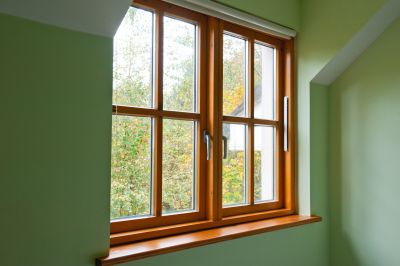
Lower-waste or water-saving choices for Window Molding Installations.
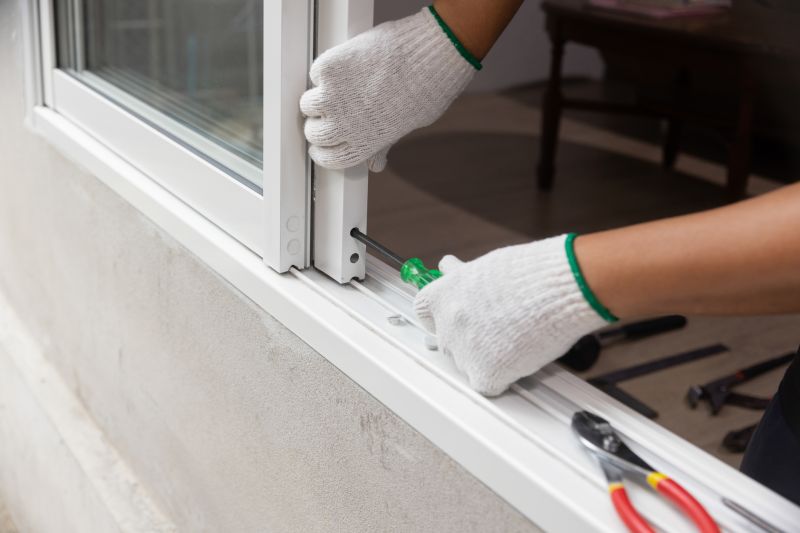
The short, realistic tool list for quality Window Molding Installations.
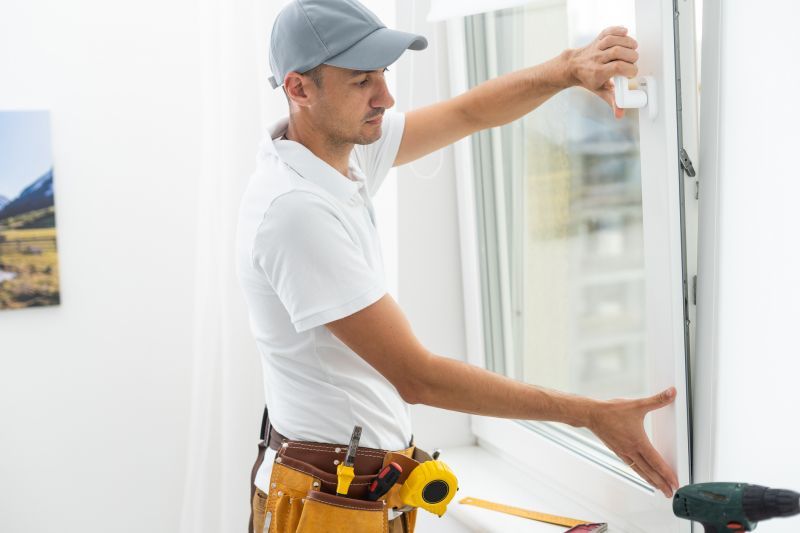
Rough timing from prep to clean-up for Window Molding Installations.
| Season | Advantages |
|---|---|
| Spring | Mild weather, low humidity, optimal for adhesion |
| Summer | Longer daylight hours, warm temperatures |
| Fall | Stable weather, cooler temperatures |
| Winter | Potential for delays, cold conditions |
Window molding installations require careful consideration of weather conditions to ensure quality results. Proper timing helps in achieving a smooth finish, secure adhesion, and long-lasting performance. Seasonal planning can mitigate issues caused by moisture, temperature fluctuations, and humidity, which can compromise materials and workmanship.

Perfect for moderate temperatures and low humidity.
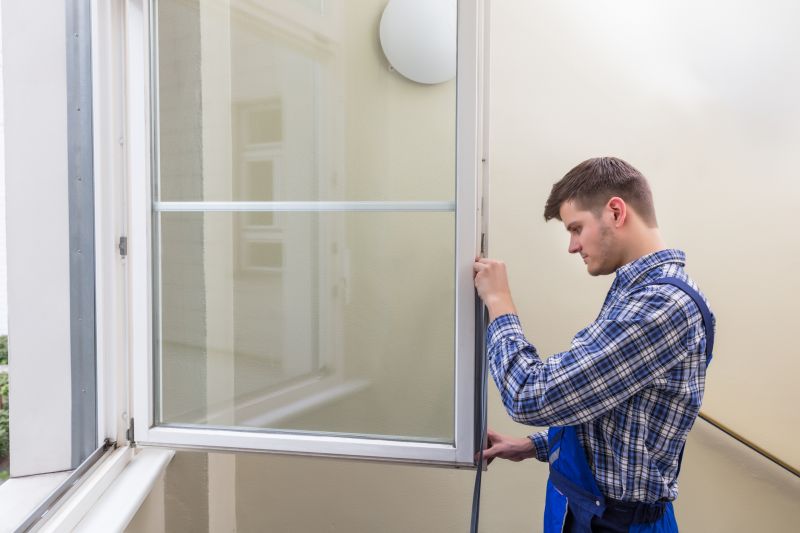
Best during warm, stable weather conditions.
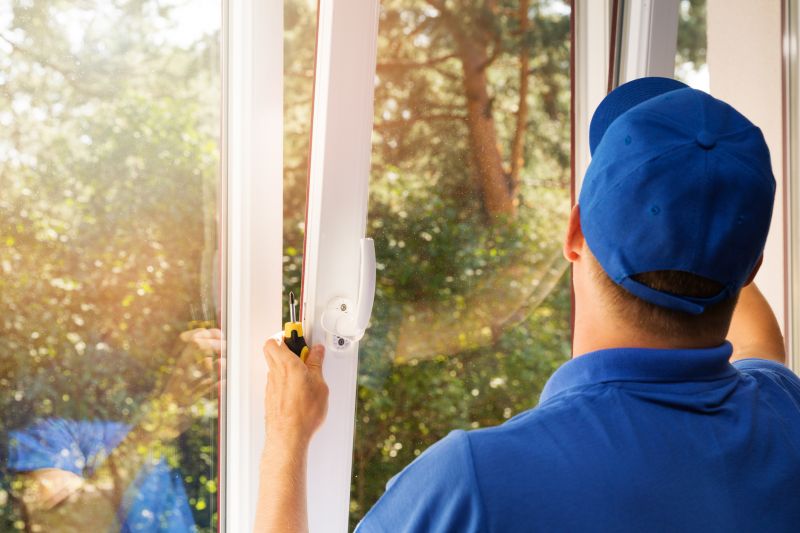
Ideal when temperatures are cooling but stable.
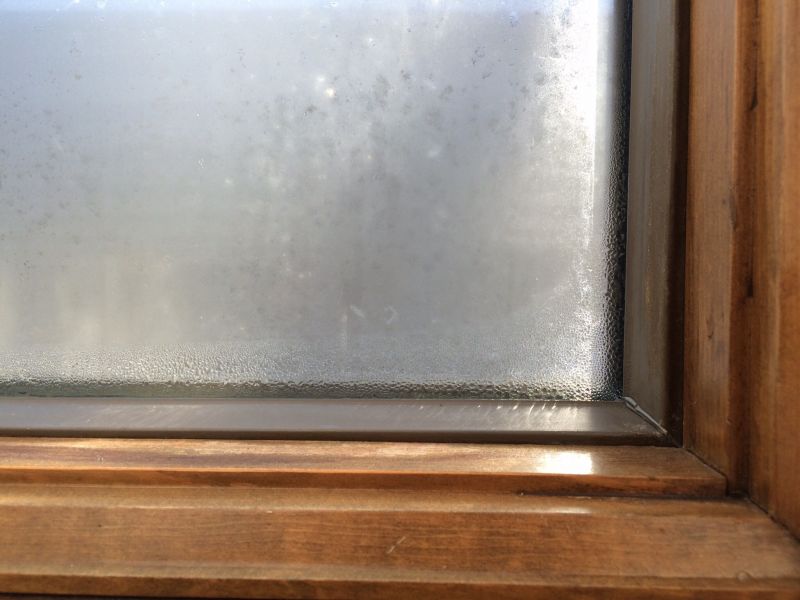
Typically less suitable due to cold and moisture concerns.
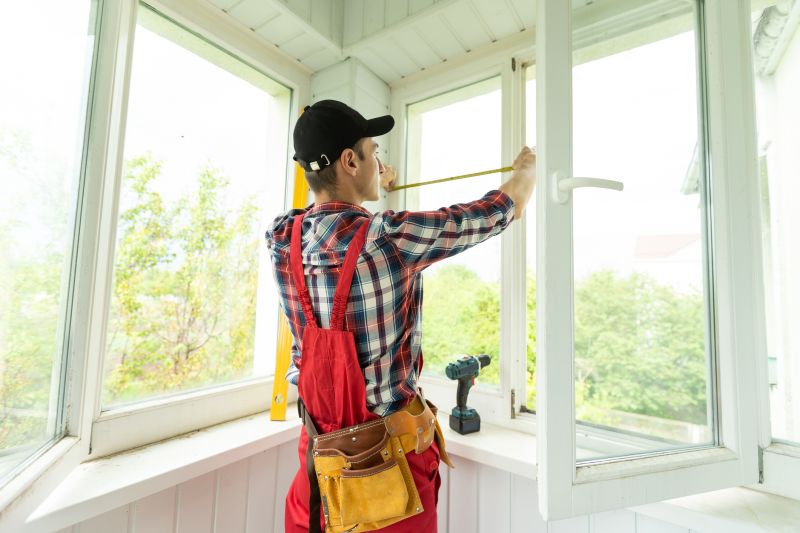
Quick checks and paperwork to keep after Window Molding Installations.
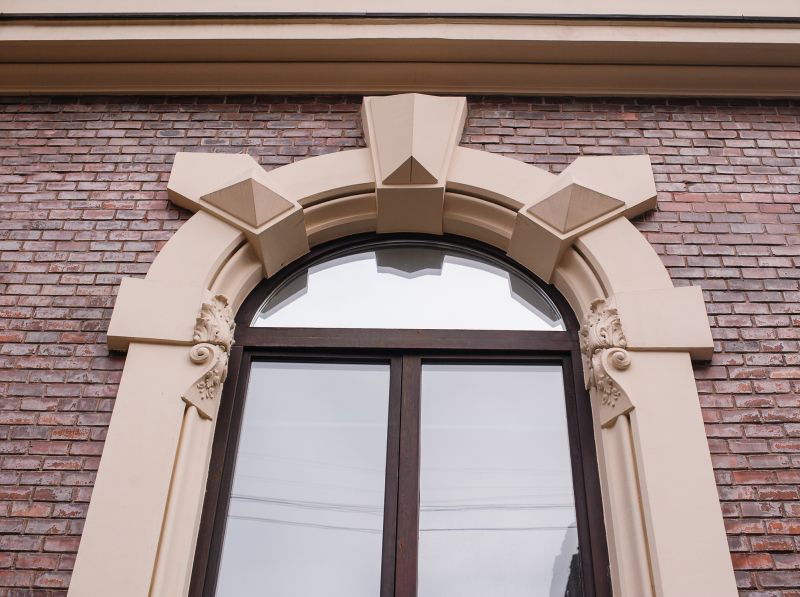
Examples that show the impact a good Window Molding Installations can make.
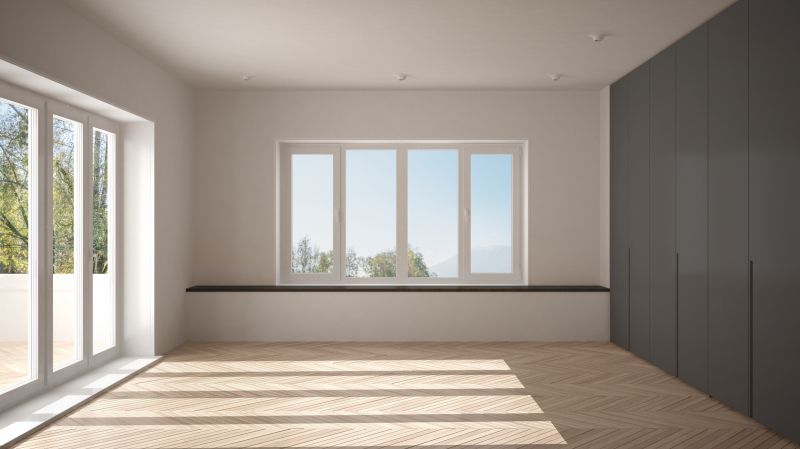
Ways to make Window Molding Installations work in tight or awkward layouts.
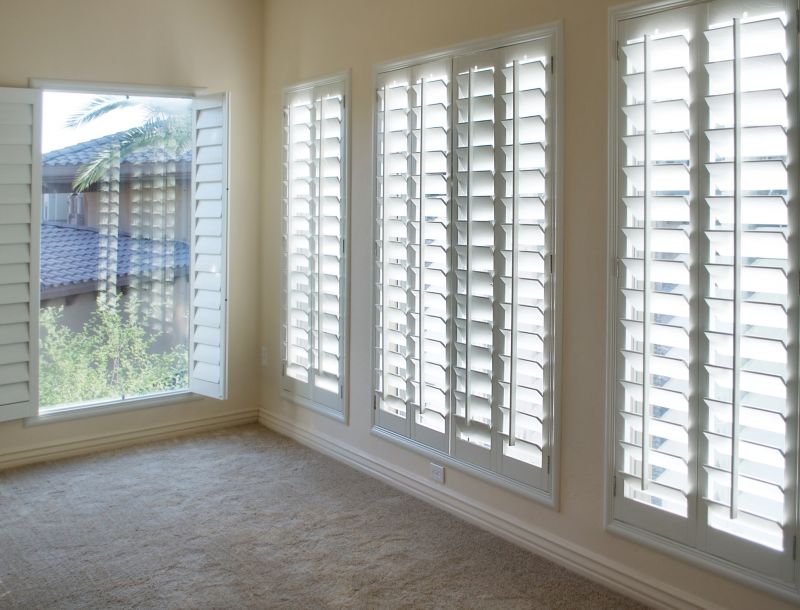
Ways to make Window Molding Installations work in tight or awkward layouts.
Choosing the right time for window molding installation enhances the durability and appearance of the finished work. It is advisable to avoid extreme weather conditions that can cause materials to expand, contract, or adhere improperly. Proper planning and seasonal awareness contribute to a successful project with minimal disruptions.
Interested in scheduling a window molding installation? Filling out the contact form provides an opportunity to discuss timing options suitable for specific regional climates and project requirements.